Skip to content
Research-led visibility for specialized businesses

Make more of what your business does visible.

Your company is more complicated than a five-page website.

FLOWLINE studies your services, locations, projects, expertise, reputation, customer questions and existing search presence — then builds the structure that helps people and search systems understand the business more clearly.

One method. Different businesses.

The method stays consistent. The business doesn’t.

A plumbing company isn’t structured like a general contractor. A general contractor isn’t evaluated like a specialty service company.

The tools may overlap. The strategy shouldn’t be copied from one company to another.

One research method connecting three differently structured industries.
Flagship specialization

Plumbing

Services, cities, emergency needs, equipment, recurring problems, water quality, reviews and decades of technical knowledge can create a much larger search opportunity than a typical plumbing website shows.

General contractors

Contractors often have years of projects, specialties, markets and experience hidden behind a website that says little more than ‘residential and commercial construction.’

Specialty trades

Technical trades have their own services, customer problems, geography and expertise. We research those relationships before deciding how the website should represent them.

Visibility research

We don’t study a keyword. We study the business around it.

No single part tells the whole story. A service page that ranks but connects to nothing. A city you work in every week that the website never mentions. A specialty your reviews prove but your site never claims.

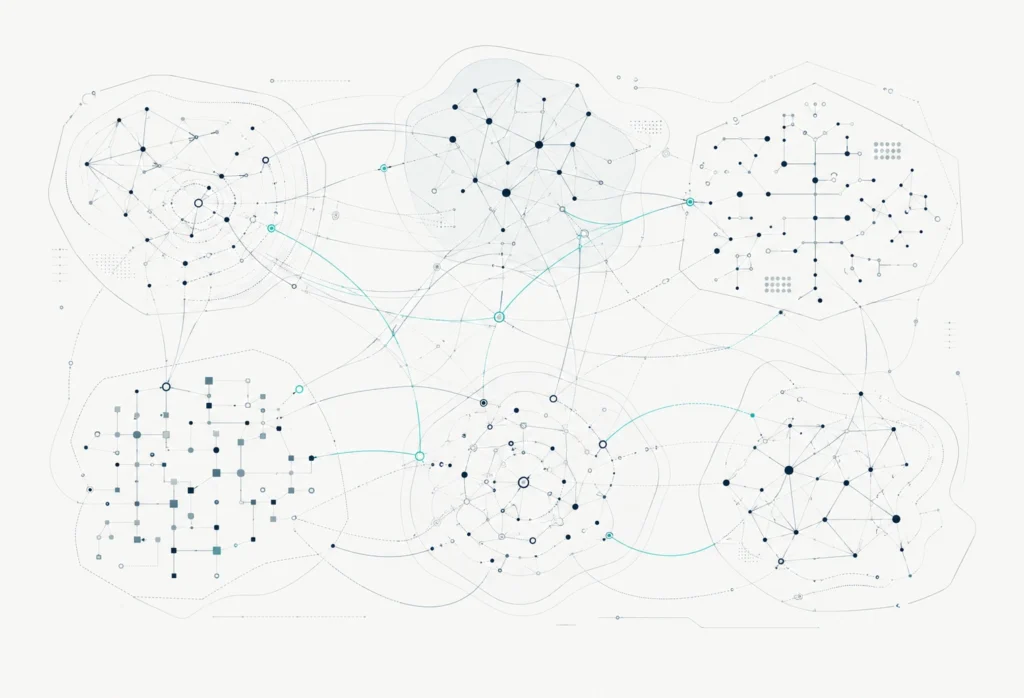
Diagram: the research map used to study a plumbing business
Business

What do you actually do?

Customers

What are people trying to solve?

Search

How are people currently finding companies like yours?

Reputation

What does customer feedback repeatedly prove?

Website

What does the current site explain — and what does it leave out?

Infrastructure

Can the existing site safely support where the business is going?

Where the method has gone deepest

Plumbing is where the system got deep.

Plumbing companies showed us how much real business knowledge disappears online. One company may run dozens of services across several cities, repair specific equipment, answer hundreds of customer questions and carry decades of hands-on expertise — while the website explains a fraction of it.

That is where the method was built. It is not where it stops: the same research works for contractors and specialty trades, and those pages say plainly what we have done and what we are expanding into.

Services

Everything you do, not the five that fit a menu.

Cities

Where the trucks genuinely go.

Problems

The failures customers search by symptom.

Questions

What technicians answer fifty times a month.

Plumbing

Demonstrated in depth, and the source of most of what we publish.

General contractors

Projects, markets and specialties a five-page site never explains.

Specialty trades

HVAC, electrical, roofing, water treatment and restoration each create different visibility problems.

The representation gap

The business may be complex. The website often isn’t.

We regularly see sophisticated companies represented online by five basic pages: Home. About. Services. Gallery. Contact.

There is nothing inherently wrong with those pages. The problem is what never gets represented between them.

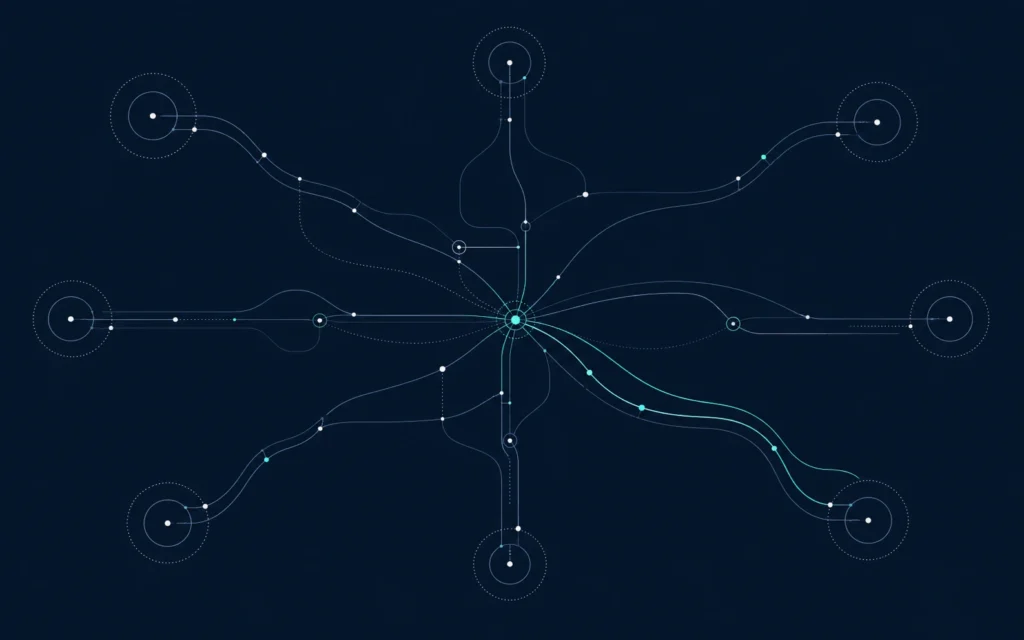
A dense business network narrowing into five simple website pages.
The business knows

Projects · specialties · locations · processes · experience · customer questions · technical capabilities · market knowledge

The website shows

A small fraction of it.

FLOWLINE’s job is not to make the website bigger for the sake of being bigger. It’s to determine what deserves to become visible.

What we do

The work connects.

We work across five connected areas of visibility, in whatever combination the research says a business actually needs.

They’re delivered through four ways of working together: a Website Foundation, a full rebuild, ongoing maintenance and support, and social media and content support.

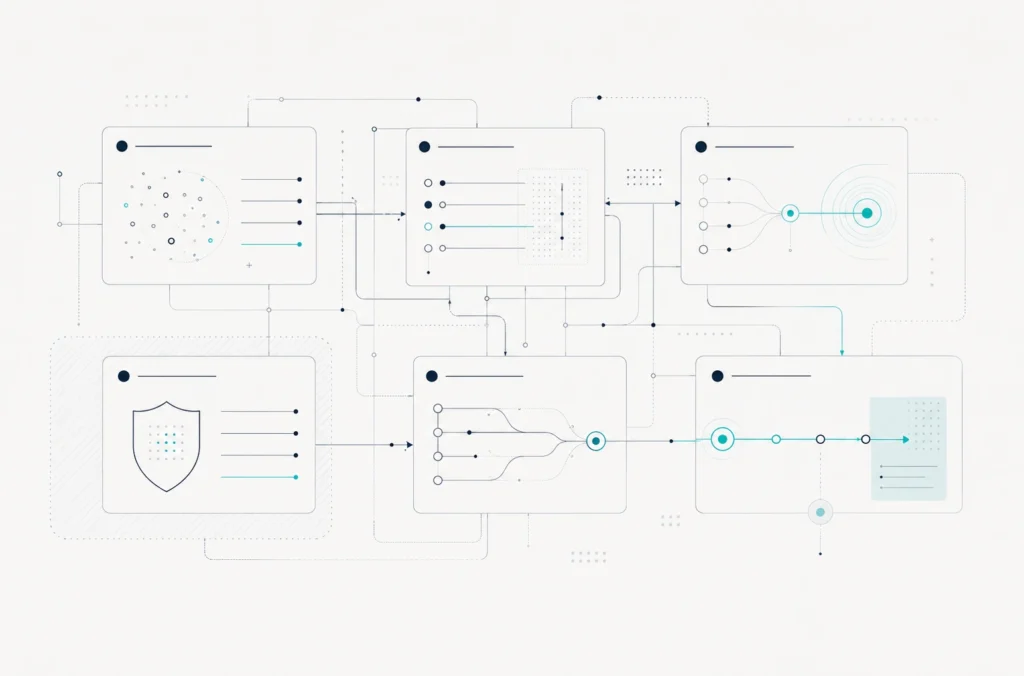
Diagram: how individual findings are organised into a system

Visibility research

Understand how the company is currently represented before changing anything.

Website foundations

Make sure the site, hosting, structure and technical systems can support the work.

Search visibility

Build clearer relationships around the services and information customers actually search for.

Local visibility

Connect services, locations, reputation and business information more clearly across local search.

AI & answer visibility

Make important business knowledge easier for modern search and answer systems to retrieve and understand.

The four ways we work

Website Foundation
Research first. Often it decides a rebuild isn’t needed.

Full Website Rebuild
When the structure itself is the problem.

Website Maintenance & Ongoing Support
Protect, maintain and keep improving.

Social Media Upkeep & Content Support
Turn the work you already do into something publishable.

Not sure which one? Most engagements start with a Website Foundation — it’s the research that decides what is actually needed.

Measured, not claimed

Two dated checkpoints on the same live site.

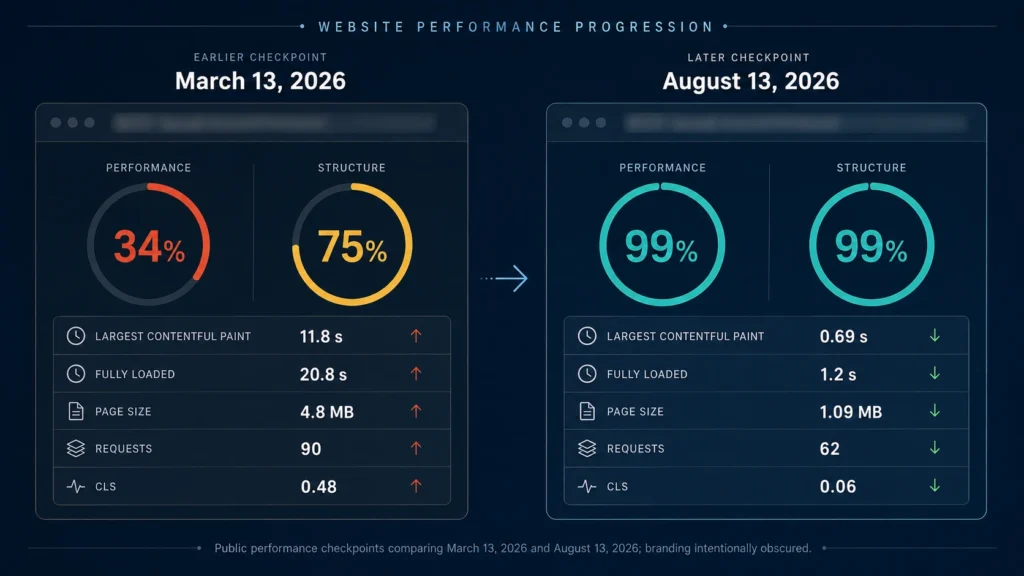
Performance is the part of this work that can be measured without arguing about it. These are preserved GTmetrix checkpoints on one client homepage, five months apart.

GTmetrix performance

34%99%

Largest Contentful Paint

11.8 s0.69 s

Fully loaded

20.8 s1.2 s

March 13, 2026 and August 13, 2026. Performance is measurable and date-stamped; it does not depend on claiming that search work caused revenue, and we don’t make that claim.

Principal-led

The people doing the research shape the recommendation.

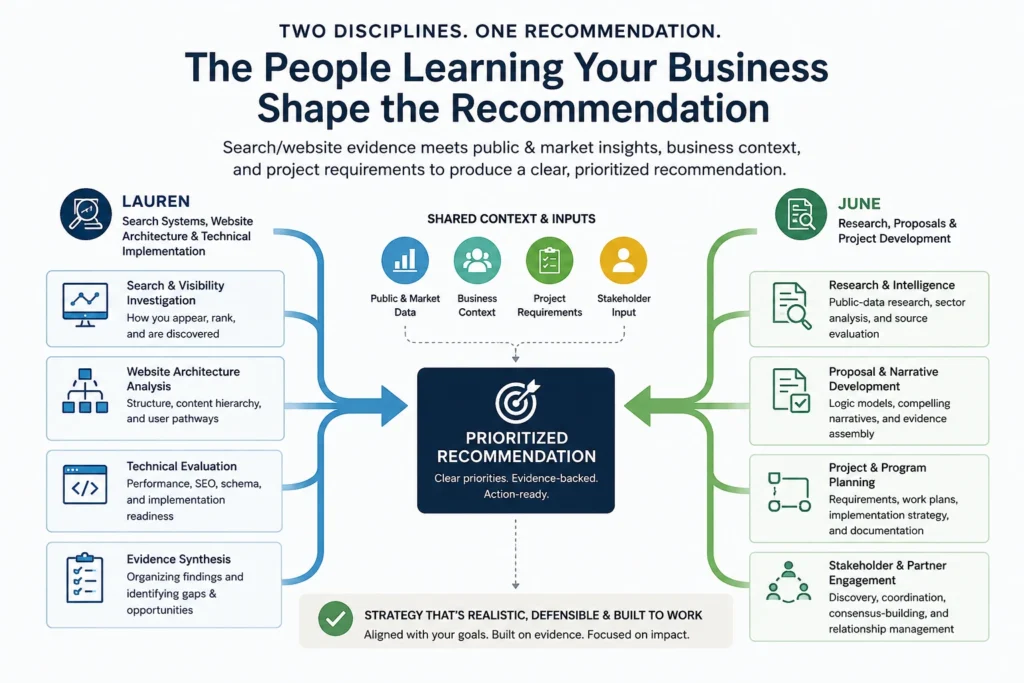
Lauren · search systems, website architecture & implementation   |   June · research, proposals & project development

FLOWLINE is two people. Lauren builds the search, architecture and technical side; June runs the research, proposals and project development. The two overlap deliberately.

We’re based on California’s Central Coast — close enough to specialized service businesses to know how they actually run: how the work gets scheduled, what customers call about, and why good companies are so often the hardest ones to find online.

Local roots, not a local limit. The method works for specialized businesses wherever they are.

The work isn’t handed from salesperson to account manager to a fulfillment team — the people who learn your business are the people who shape the recommendation.

Lauren Alliani — FLOWLINE technical implementation and search systems
June, FLOWLINE — research, proposals and project development
Diagram: two disciplines feeding a single recommendation
Our process

Research before recommendations.

There is deliberately no “choose your package” step.

Diagram: the four phases — understand, map, build, protect and grow
01 — Understand

Learn what the company actually does, where it works, what customers ask, what work matters and where the business wants to go.

02 — Map

Connect services, locations, questions, projects, reputation, competitors, search results and existing website structure.

03 — Build

Decide what should be protected, improved, expanded or created.

04 — Protect & grow

Preserve the visibility the company has already earned — its search equity — while creating a system that can keep expanding without another total reset.

Free tools

See what your website’s technical tests say.

Run trusted public checks for speed, security and the structured information search engines read — then learn what those scores can and can’t tell you about visibility.

Field Reports

We publish what we’re learning.

FIELD REPORTS examines how real service businesses are represented across websites, search, Maps and AI systems — and what those patterns mean in practice.

Search Systems

SEO Isn’t Just Rankings Anymore

Judging a service business by a short list of keyword positions leaves out most of how customers actually find companies. Rankings still matter. They're just no…

Where the method was proven deeply

Our work.

Our deepest case study is a plumbing and water-treatment company where this system was developed in full. The work involved understanding a complicated service business, preserving existing search equity, reorganising services and locations, creating stronger relationships between topics, improving the technical foundation, expanding useful customer education, and building a structure capable of future growth.

Performance checkpoints for a plumbing website, March to August 2026, branding obscured.

Visuals shown here are presentation mockups of the architecture and content system, not claims about traffic or rankings.

Research first

We investigate before recommending changes.

Preservation first

We identify what should stay intact before rebuilding.

Real implementation

Recommendations are grounded in actual website and technical work.

Technical discipline

Performance, accessibility and search health matter alongside design.

Principal-led

The people researching the business shape the recommendation.

Field Reports

We publish the thinking behind the work.

Start with the business

You don’t need to know what you need before talking to us.

Before we recommend pages, keywords or a package, we want to understand what your company actually does and where the opportunities are.